











Electrical Meters and Measurements
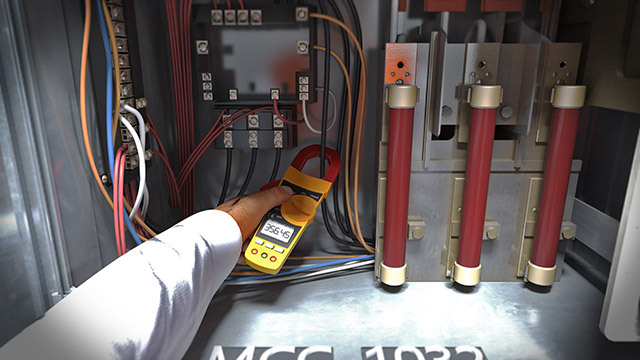
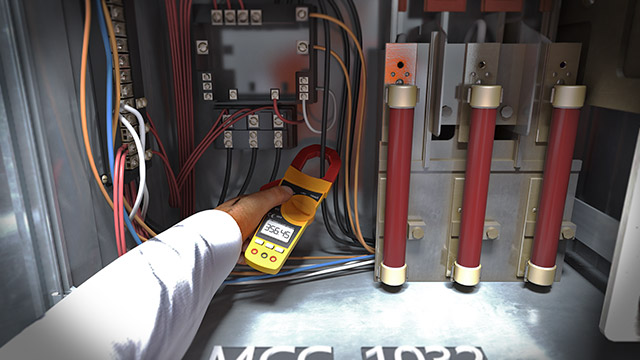
A digital multimeter is a single instrument that is capable of measuring voltage, current and resistance. A digital multimeter is an indispensable general-purpose tool for troubleshooting electrical problems. There are other dedicated test instruments, which in various ways, go beyond the capabilities of the multimeter. This module describes the typical features and usage of digital multimeters, as well as those of voltage detectors, clamp ammeters, megohmeters, digital thermometers and oscilloscopes.


Demos + Pricing
Learn more about our courses, get pricing, and see our platform.
Course Details
Learning Objectives
• List precautions to be taken when making electrical measurements • Describe a digital multimeter • List what can be measured with a multimeter • Describe how voltage, current and resistance are measured • Describe the advantages of a voltage detector • Describe a clamp ammeter • Describe what is unique about a megohmmeter • Describe how an oscilloscope can be used
Specs
Frequently Asked Questions
What measurements can be made with a digital multimeter?
What are the basic external features of a digital multimeter?
What is the biggest advantage of a clamp ammeter?
What is a megohmmeter?
What are the benefits of an oscilloscope?
Sample Video Transcript
A digital multimeter can also be used to measure current flow in amperes, or amps. In order to use a digital multimeter as an ammeter, the main selection dial needs to be set to the correct current measurement range, and one of the leads needs to be moved to a current measuring socket. In order to measure current, it must flow through the meter. This requires disconnecting the power source, connecting the meter into the circuit, and then reconnecting the power. This is more difficult and dangerous than simply touching a probe to a contact to measure voltage.


