











Environmental Driving Hazards
Although most driving occurs during the daytime hours with good visibility, there are instances where you may have to drive with limited visibility or in inclement weather. This course identifies common environmental hazards and strategies to prevent crashes related to environmental hazards.



Demos + Pricing
Learn more about our courses, get pricing, and see our platform.
Course Details
Learning Objectives
• Define common environmental hazards • Identify why environmental hazards may cause a crash • Identify strategies to prevent crashes related environmental hazards
Specs
Frequently Asked Questions
How do wet roads affect your stopping distance?
What are some strategies for preventing crashes related to environmental hazards?
What are some additional precautions to take during inclement weather?
Sample Video Transcript
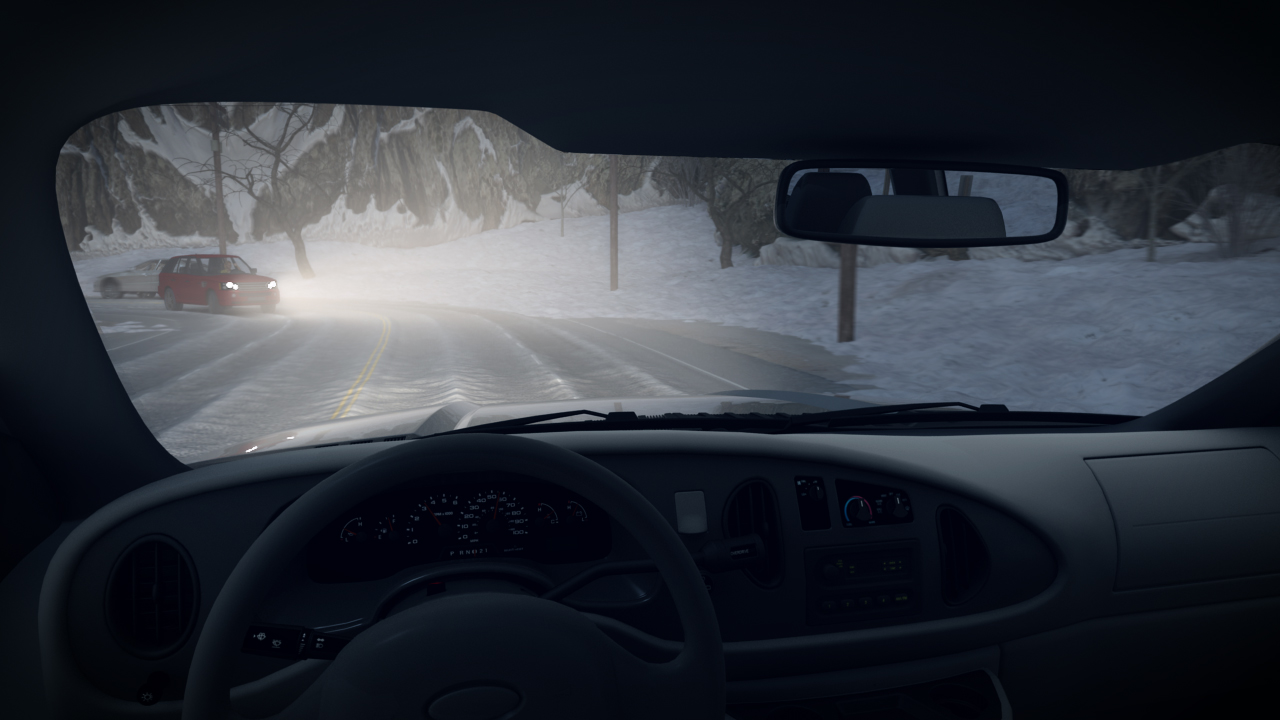
The first type of environmental hazard is related to conditions that reduce your visibility. This could include dense fog or glare from the sun. However, the most common hazard that reduces visibility is driving at night. Driving at night reduces your visibility even if you have perfect vision because your field of view is limited – your peripheral vision is reduced and your forward vision is limited by your headlights. Additionally, darkness makes it harder to distinguish angles, curves, and dips in the road. Furthermore, darkness limits our ability to see contrasting colors and distinctive edges of objects, people, and animals. All of these factors significantly increase your risk of a crash.


