











First Aid – Broken Bones and Dislocations
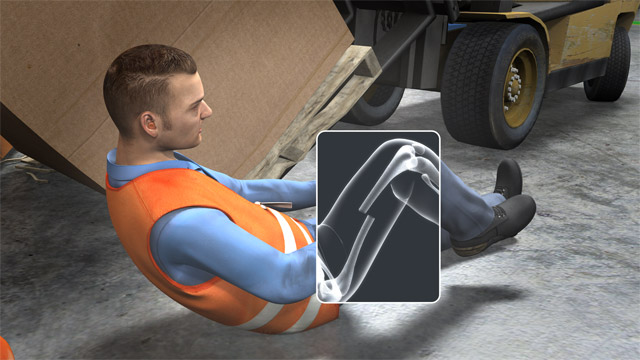
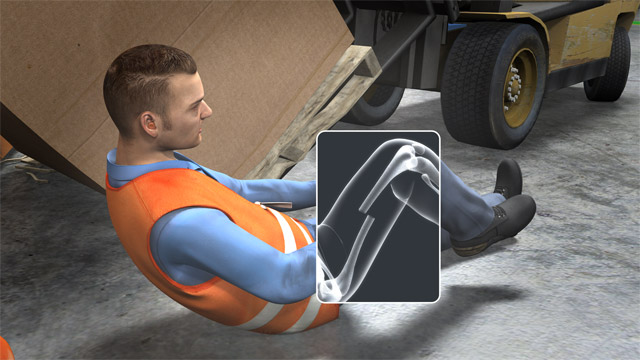
Broken and dislocated bones are a common injury in all walks of life, including at the workplace. By following safe work practices, properly guarding hazards, and wearing appropriate PPE, these injuries can be avoided. However, in some cases, broken bones will still occur. In this course you’ll learn some different types of broken bones and dislocations and how to provide first aid for them. You’ll also get some guidelines for when it’s necessary to summon emergency medical assistance to transport the person for additional medical care after first aid is provided.
Demos + Pricing
Learn more about our courses, get pricing, and see our platform.
Course Details
Learning Objectives
By the end of this course, you will be able to:
- Describe what a broken bone is
- List some symptoms of broken bones
- Identify when to arrange for emergency medical transport for a person with a broken bone
- Explain how to provide first aid for a broken bone
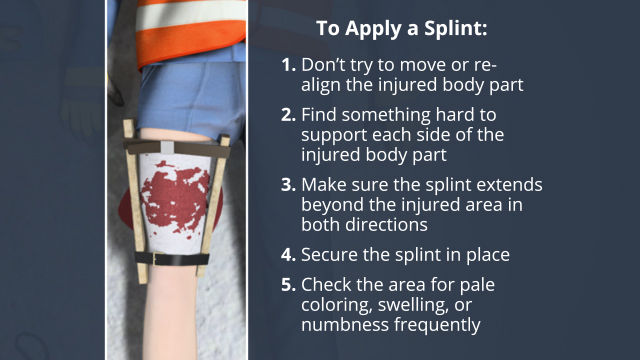
- Explain how to create and secure a splint
- List some symptoms of a fractured rib
- Explain how to provide first aid for a fractured rib
- Describe what a dislocation is
- Explain how to provide first aid for a dislocation
Specs
Frequently Asked Questions
What is a broken bone?
What is a fracture?
What is a dislocation?
What is a splint?
Is medical care beyond first aid necessary for all broken bones?
Sample Video Transcript
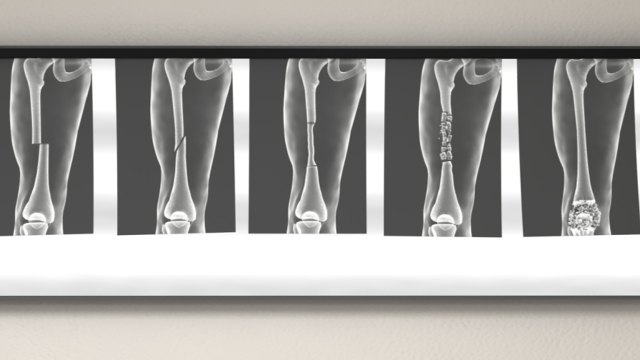
A broken bone is the common term for what doctors call a fractured bone, or simply a fracture. A broken bone is a bone that no longer has the same shape it normally does. Bones can be broken in a number of ways. This can include a straight break directly across the bone, a diagonal break through the bone, a crushing injury to the bone, when the bone is broken into several pieces or fragments, and when bones are driven together crushing parts of one another. In addition, broken bones can be closed or open. A closed break means the skin is not broken. An open break means the skin is broken and the bone may be sticking out of the skin. Open breaks are also called compound breaks, and there’s an additional risk of infection with this kind of break.
Additional Resources
- Mayo Clinic – www.mayoclinic.org
- Mayo Clinic Broken Bone Web Page – http://www.mayoclinic.org/first-aid/first-aid-fractures/basics/ART-20056641
- WebMD – www.webmd.com
- WebMD Broken Arm webpage – http://www.webmd.com/first-aid/broken-arm-treatment
- Healthline – www.healthline.com
- Healthline Broken Bone webpage: http://www.healthline.com/health/first-aid/broken-bones


