











HAZWOPER Toxicology
A chemical’s ability to cause adverse health effects in people or animals is indicated by its toxicity. The more toxic a substance is, the smaller the dose required to produce a damaging effect. This module will help you better understand toxicity and exposure limit information so you can prevent dangerous exposures.




Demos + Pricing
Learn more about our courses, get pricing, and see our platform.
Course Details
Learning Objectives
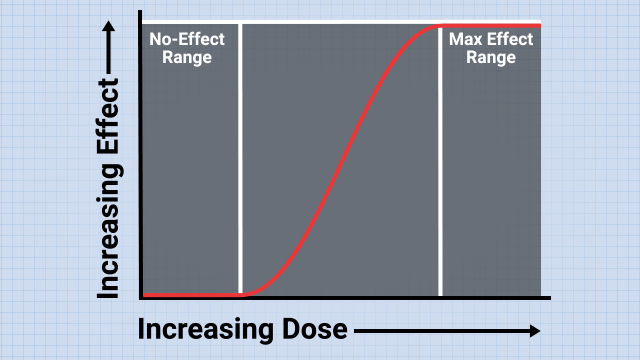
• Define toxicology and toxicity • Describe the factors that affect toxicity • List and describe the 4 main routes of chemical exposure • Describe the different types of effects from toxic chemical exposure • Describe how dose effects toxicity • Describe the dose-response curve • Describe what can happen when exposed to multiple chemicals • Describe how toxicity is measured • List the different types of exposure limits and describe their purpose
Specs
Frequently Asked Questions
What are the main routes of exposure to hazardous chemicals?
What are acute and chronic effects?
How is dose determined?
What is the dose-response relationship?
How is toxicity quantified?
Sample Video Transcript
The toxicity of a hazardous chemical depends on many factors, including: • Physical form of the chemical • Route of exposure • Dose • Personal characteristics like genetics, age, gender, health, and exposure history The more toxic a substance is, the smaller the dose required to produce a damaging effect. Symptoms can be acute or chronic. Acute symptoms occur quickly after brief exposure. Chronic symptoms are typically the result of long-term exposure, and they generally last a long time. The severity of both acute and chronic symptoms can vary from mild to severe. Understanding toxicity and exposure limits will help prevent dangerous exposures.


