











Substance Abuse Awareness
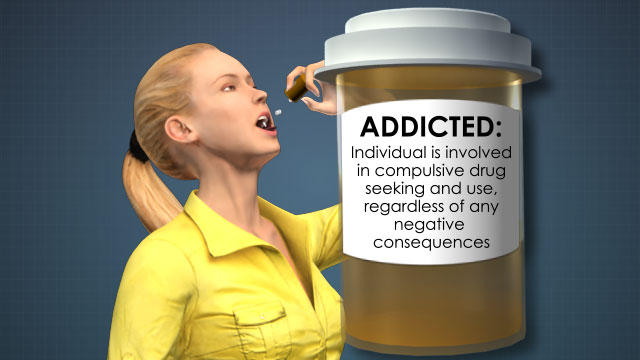
Drug addiction is when an individual is involved in compulsive drug seeking and use, regardless of any negative health or social consequences. This compulsive drug use can cause employees to be more likely to miss work, be less productive, or even be involved in on-the-job accidents. This course raises awareness by discussing the effects of different types of drugs and alcohol as well as how to recognize and deal with symptoms of abuse.



Demos + Pricing
Learn more about our courses, get pricing, and see our platform.
Course Details
Learning Objectives
By the end of this course, you will be able to:
- Define a substance
- Define addiction
- List common risk factors of addiction
- Describe how substances can be classified
- Identify signs of substance abuse at work
- Describe the impact of addiction in the workplace
- Identify the most commonly abused drugs in the workplace
- Describe workplace drug policies and testing protocols
- Describe how to address a coworker exhibiting signs of substance abuse or addiction
- List common addiction treatment methodsl
Specs
Frequently Asked Questions
Are there risk factors for addiction?
Can work factor into abusing substances?
How are substances and drugs typically categorized?
What are the two most common types of substance abuse?
What are some other substances that are commonly abused?
How do you tell if someone is abusing a substance?
What can a workplace do to help someone who shows signs of substance abuse?
What can you do to help a coworker overcome addiction?
Sample Video Transcript
Being addicted means that an individual is involved in compulsive drug seeking and use, regardless of any negative health or social consequences. Because drugs, whether prescription, legal, or illegal, alter the structure and function of the brain, quitting is difficult, and relapses are common, despite treatment. While there are many factors influencing how vulnerable a person is to addiction, the brain chemistry involved in the process is consistent. Addictive drugs produce a high or feeling of happiness and contentment because they increase the brain’s level of dopamine, a neurotransmitter that creates feelings of pleasure. Over time, the brain copes with the excess dopamine by building up a tolerance. In turn, a user must increase the amount of drug used to achieve the same feeling as before. Generating a tolerance alters brain cells and how they function, sometimes permanently.
Additional Resources
- Substance Abuse and Mental health Services Administration – http://www.samhsa.gov/
- National Institute on Drug Abuse – http://www.drugabuse.gov/
- The White House – www.whitehouse.gov
- Office of National Drug Control Policy – http://www.whitehouse.gov/ondcp


