











Typical Surface Mining Equipment
Mining operations require the use of many different types of equipment and structures. This course discusses the most common types of mobile and stationary equipment used in the mining industry, such as dozers, dredges, backhoes, and shovels, as well as haulage and human transport vehicles. Information on stationary equipment, such as conveyor systems, generators, bins, hoppers, feeders, crushers, screens, and classifiers is also provided. This course also briefly describes commonly used buildings and structures, such as maintenance shops, truck scales, and equipment washing facilities. Based on MSHA’s Title 30 CFR Part 46.5.b.1.


Demos + Pricing
Learn more about our courses, get pricing, and see our platform.
Course Details
Learning Objectives
By the end of this course, you will be able to:
- Identify and describe common mobile excavation and hauling equipment
- Identify and describe common stationary processing equipment
- Describe common types of conveyors
- List common buildings and structures at a mine
Specs
Frequently Asked Questions
What is a bulldozer?
What are dredges?
What are backhoes?
What are shovels?
What are draglines?
What are front-end loaders?
What are haul trucks?
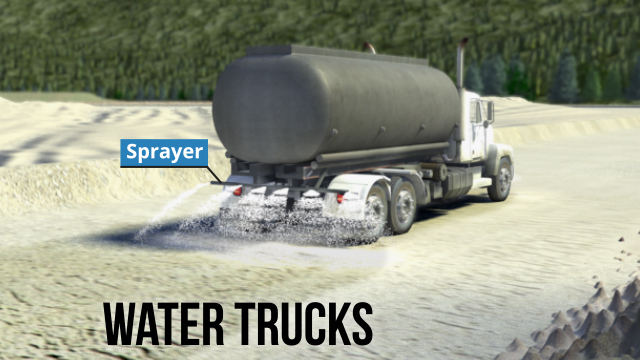
What are water trucks?
What are scrapers?
What are skid steers?
What are cranes?
What are conveyors?
What are feeders, bins, and hoppers?
What are crushers and screens?
What are classifiers?
What are water reclamation systems?
Sample Video Transcript
While the specific design and size of mobile and stationary surface mining equipment may vary greatly depending upon the type of mining operation, the basic functions of equipment remain the same. A range of mobile excavation and hauling equipment maybe used to transport mined material to stationary processing equipment. In addition to mining and processing equipment, surface mines typically have buildings and structures that provide space for offices, storage, maintenance and equipment refuelling. Before performing work at a mine, be sure to become familiar with the type, function and the location of equipment that you’ll be exposed to in your work environment. To reduce the risk of injuries, always pay close attention to your surroundings. Be aware of emergency communication procedure, wear appropriate PPE, and consult the safety manager at your facility for further guidance.
Additional Resources
- US Department of Labor Mine Safety and Health Administration (MSHA) – www.msha.gov
- MSHA News and Media – http://www.msha.gov/news-media/announcements/2016/02/25/preventing-accidents-involving-machinery-equipment
- MSHA Safety & Health Materials – http://www.msha.gov/training-education/safety-health-materials


