











Batch Cooking Introduction
Batch cooking is an industrial chemical process used to convert wood chips to pulp fibers that can be used to make paper and other cellulose fiber-based products. This module provides background on wood fibers and chemical pulping, and then provides specifics about the batch cooking process. It also discusses the impact of several important batch cooking variables on pulp quality.

Demos + Pricing
Learn more about our courses, get pricing, and see our platform.
Course Details
Learning Objectives
• Identify the three main components of wood
• Describe mechanical, chemical, and semichemical types of pulping
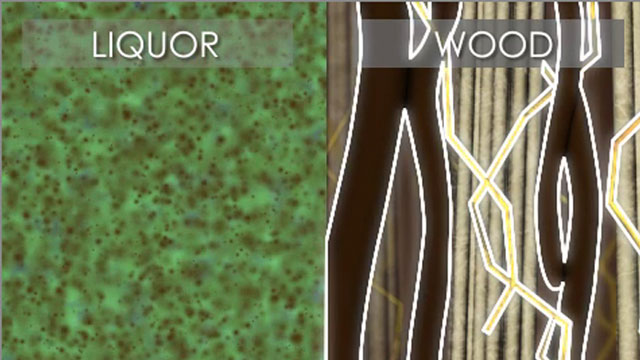
• Describe what happens to wood components during chemical pulping
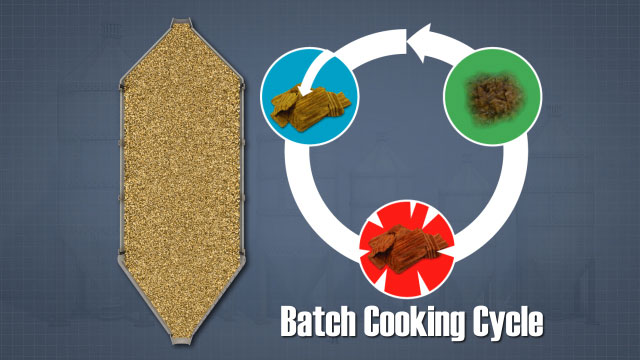
• Describe the three process steps in the batch cooking cycle
• Describe how the batch cooking process is controlled
• Define “kappa number”
• Identify the process variables that affect the uniformity of pulp quality in batch cooking
• Identify safety hazards associated with batch cooking
Specs
Frequently Asked Questions
What the three primary organic components of wood?
In a batch digester, what goes into a “”batch””?
At the end of cook, how is a batch digester emptied?
What factors affect how well the chips is a digester are cooked?
When a batch digester is emptied, what happens to blow steam?
Sample Video Transcript
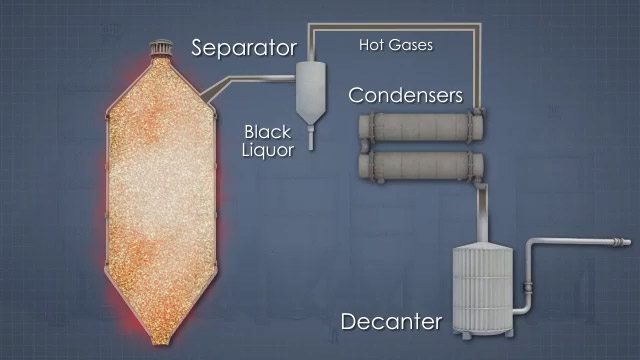
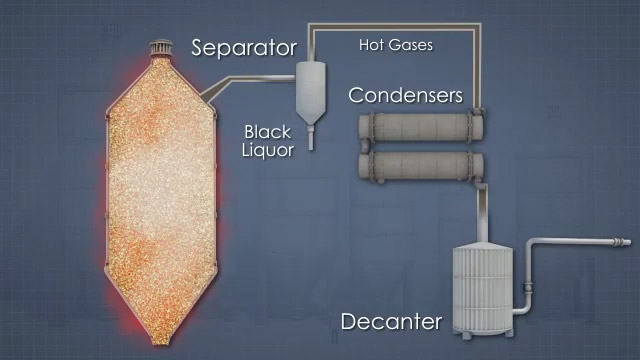
During the cooking process, gases are released from the chemical reactions occurring within the digester. These gases are continuously vented during cooking to a collection system of condensers and separators. This system recovers the heat and useful pulping byproducts, including turpentine. At the completion of the cooking process, the digester is discharged to a special tank called a blow tank. The blow tank is designed to receive the pulp and capture and recover the tremendous amount of gases and heat that are released during the blow. To discharge the digester, a blow valve at the bottom of the digester opens to release the contents to a blow pipe or blow line. The pressure in the digester pushes the hot pulp and liquor through the blow line to the blow tank.


