











Boiler Feedwater – Chemical Additives
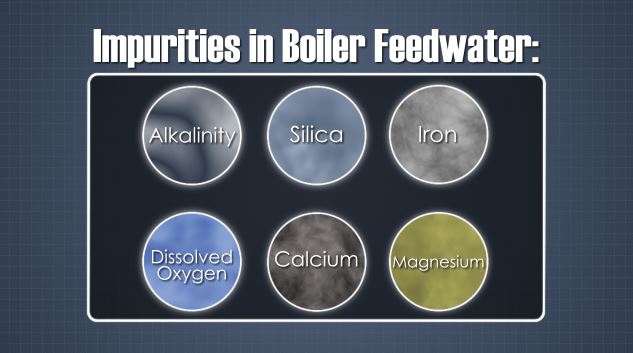
The primary function of a boiler is to transfer heat from hot gases generated by the combustion of fuel into water until it becomes hot or turns to steam. The steam or hot water is then used in a variety of facility processes. Boiler feedwater often contains impurities, which impair boiler operation and efficiency. To improve feedwater quality and steam purity, as well as correct other problems caused by impurities, chemicals can be injected directly into the feedwater or steam. Chemical additives increase boiler efficiency, reduce fuel, operating and maintenance costs, minimize maintenance and downtime, and protect equipment from corrosion and extend equipment life.

Demos + Pricing
Learn more about our courses, get pricing, and see our platform.
Course Details
Learning Objectives
• Identify and describe the safety guidelines associated with boiler feedwater chemical additives
• Describe why boiler water treatment is needed
• Identify the two major approaches to treating boiler feedwater
• Identify the reasons that internal chemical additives are used in boilers
• Describe the purpose of each of the following types of boiler water chemical additives: Phosphates, Chelants, Polymers, Oxygen scavengers, Antifoaming agents, Neutralizing amines, and Filming amines
Specs
Frequently Asked Questions
What is the purpose of chemical additives used in boiler feedwater?
What types of impurities might need to be removed from boiler feedwater?
What are the major types of external treatments?
What are the major types of internal treatments?
Why may chemicals be added internally or externally to boiler feedwater?
Sample Video Transcript
The primary function of a boiler is to capture the heat from combusted fuel to heat water and generate steam. The conditions within a modern boiler place some stringent requirements on the water which circulates through it. First, at the high temperatures and pressures within the boiler, low concentrations of some chemical compounds in the boiler feed water, which are not a problem at room temperature, will either become corrosive or create damaging deposits on the hot walls of the boiler tubes. Second, as water boils and creates steam, solids in the water tend to remain in the water. This creates a situation where even small concentrations of impurities in the feed water tend to increase with time. Increased concentrations magnify the negative effects of the impurities.


