










Carbon Monoxide
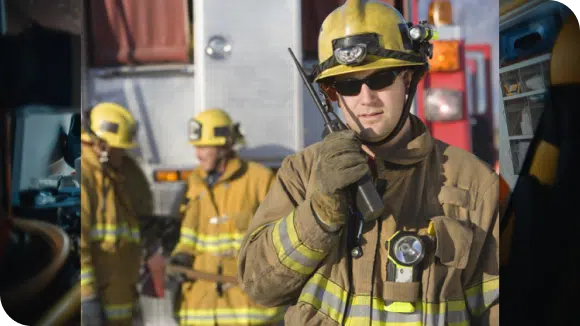
Carbon monoxide is one of the most common hazards fire fighters face on the job. Fire fighters may find harmful concentrations as they go about their daily work responding to alarms in homes and businesses, motor vehicle accidents in tunnels and, of course, structure fires. They are even exposed to it daily in quarters, though today it’s rare to find harmful levels of carbon monoxide in properly ventilated apparatus bays. This course will increase fire fighter’s awareness of carbon monoxide and its dangers.
Demos + Pricing
Learn more about our courses, get pricing, and see our platform.
Frequently Asked Questions
What operational challenges does this course address?
This course addresses prevention, inspection, system-awareness, and organizational knowledge challenges related to Carbon Monoxide. Carbon monoxide is one of the most common hazards fire fighters face on the job. Fire fighters may find harmful concentrations as they go about their daily work responding to alarms in homes and businesses, motor vehicle accidents in tunnels and, of course, structure fires.
What real-world situations or incidents is this training designed to prepare personnel for?
The training is designed to prepare personnel for inspection activities, building-system reviews, prevention-focused decision-making, and pre-incident planning situations associated with Carbon Monoxide. Carbon monoxide is one of the most common hazards fire fighters face on the job. Fire fighters may find harmful concentrations as they go about their daily work responding to alarms in homes and businesses, motor vehicle accidents in tunnels and, of course, structure fires.
What safety or compliance concerns does this course help organizations address?
This course helps organizations address inspection consistency, standards awareness, documentation expectations, and prevention-related accountability tied to Carbon Monoxide. It supports stronger awareness, more consistent practices, and better day-to-day decision-making across the organization.
Which personnel or departments would benefit most from this training?
This training is most relevant for public safety professionals seeking practical training, along with departments seeking to strengthen knowledge, consistency, and role-specific readiness connected to Carbon Monoxide.
How can this course support department readiness, consistency, or professional development?
This course can support department readiness and professional development by reinforcing prevention knowledge, supporting more consistent evaluation practices, and broadening professional capability beyond emergency response while reinforcing shared expectations related to Carbon Monoxide.
How does this course fit into a broader training program?
This course fits well within a broader training program focused on prevention, inspection, systems awareness, and broader professional development efforts. It can support onboarding, professional development, policy awareness, and more consistent organizational expectations over time.


