











Chemical Unloading Basics
All personnel involved in bulk unloading of chemicals must be properly trained in general safety awareness, equipment function and emergency shut down, hazardous chemicals, personal protection measures, and security. This course will focus on some basic procedures and safety practices for unloading bulk liquid chemicals from tank trucks and railroad tank cars. Totes and drums will also be discussed.


Demos + Pricing
Learn more about our courses, get pricing, and see our platform.
Course Details
Learning Objectives
• List and describe typical personal protective equipment (PPE) guidelines for chemical unloading • Explain employee ‘right to know’ about the chemicals in the workplace • List basic safety and environmental considerations when unloading liquid chemicals • Identify and describe common equipment used during chemical unloading • Describe precautions that should be taken during vehicle arrival and preparation • List and describe the best practices for hose connection, unloading and hose disconnection • Describe precautions that should be taken during vehicle departure
Specs
Frequently Asked Questions
What is common PPE for workers unloading chemicals?
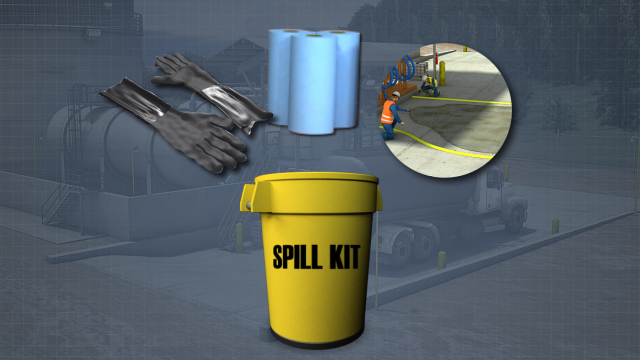
What should be inside a spill kit located in chemical unloading and storage areas?
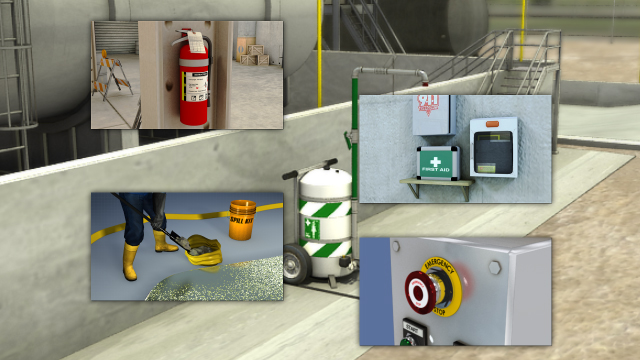
What is common equipment used for chemical storage, containment, and transfer?
Who should be physically present for chemical unloading?
Sample Video Transcript
While several federal regulations cover the bulk, loading, and unloading of chemicals, this course will focus on some basic procedures and safety practices for unloading bulk liquid chemicals from tank trucks and railroad tank cars. Totes and drums will be briefly discussed. Be sure to review all necessary requirements for transferring and unloading chemicals from the chemical manufacturer, equipment manufacturer, delivery company, and receiving company to be sure that all regulations and processes are followed. Depending upon the nature and properties of the chemicals being unloaded, there may be additional handling requirements in place by local, state, and federal authorities.


