











Lab Safety Series: Hoods and Ventilation Safety
0.47 Hrs
SKU: JCOM-40275
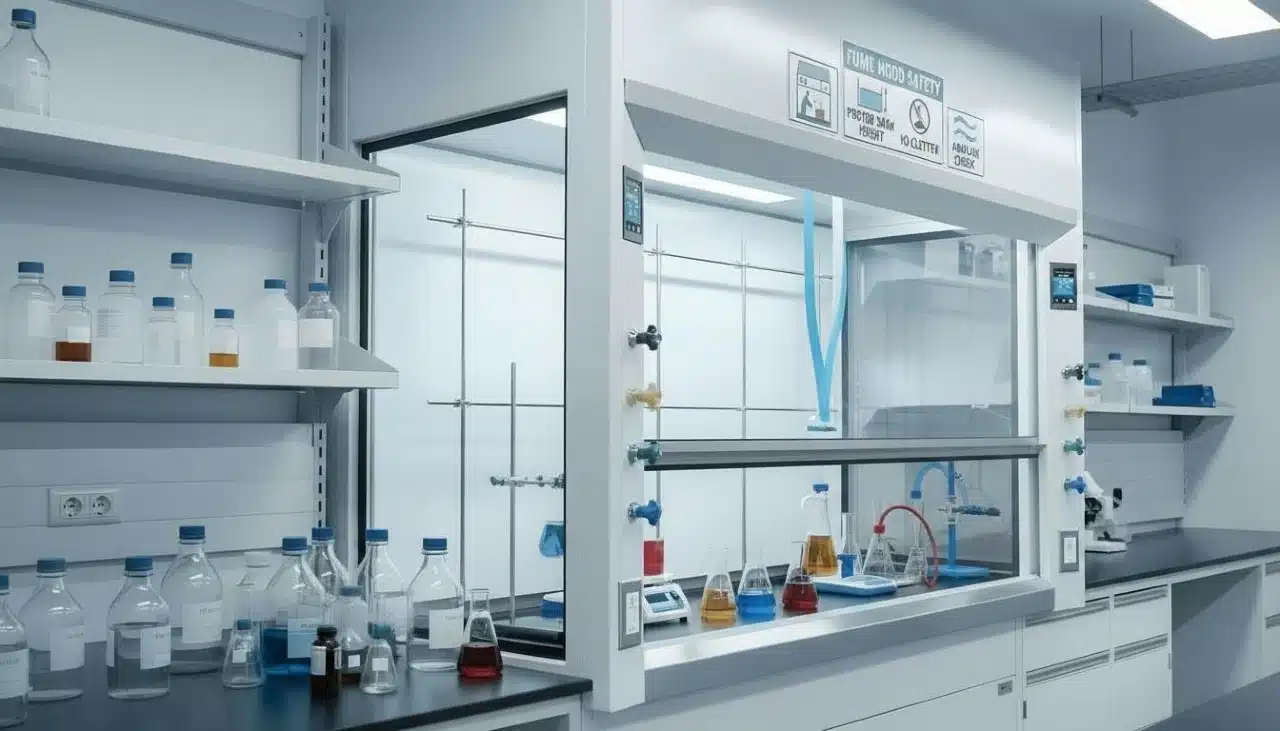
This course focuses on laboratory hoods, one of the most important engineering controls in laboratory safety. Learn what chemical fume hoods are designed to do, proper operation techniques, and how worker behavior affects protection levels. You’ll master safe work practices, understand different hood types, and know how to respond to equipment malfunctions to ensure maximum protection from hazardous vapors, fumes, and airborne chemicals.
✕
Demos + Pricing
Learn more about our courses, get pricing, and see our platform.
✕
Course Details
Learning Objectives
At the end of this course, learners should be able to:
- Explain the purpose of laboratory ventilation systems and the protective role of chemical fume hoods.
- Describe how sash height, airflow, face velocity, and work positioning affect hood performance.
- Identify common causes of hood failure or reduced hood effectiveness, including poor work practices and excessive clutter.
- Explain the limitations of chemical fume hoods and recognize what hazards they are and are not designed to control.
- Distinguish between chemical fume hoods, biosafety cabinets, and laminar flow benches.
- Describe proper work practices inside a hood, including safe placement of materials and storage restrictions.
- Recognize the importance of inspection, certification, airflow indicators, and reporting hood alarms or malfunctions.
- Describe the appropriate response when hood performance is compromised during laboratory work.
Specs
Course Level
Intermediate
Languages
English
Compatibility
Audio, Video, MobileReady, Responsive


