











Trenching and Excavation Safety
This course covers safe work practices for excavation and trenching work. It is meant to be used as an introductory or refresher course for construction workers involved in digging or working in an excavation. It is based on OSHA Construction regulations and industry best practices.


Demos + Pricing
Learn more about our courses, get pricing, and see our platform.
Course Details
Learning Objectives
By the end of this course, you will be able to:
- Identify common dangers associated with trenching and excavation work
- Define “competent person” and discuss their role and their importance
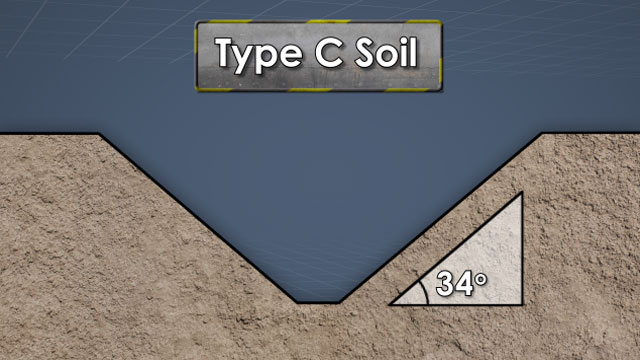
- Discuss the different types of soil and the importance of soil type in evaluating excavation and trenching hazards
- Identify and discuss the protective systems of sloping, shielding, and shoring
Specs
Frequently Asked Questions
What are the two exceptions when a system to protect workers from cave-ins is not necessary?
What are the four primary types of soil seen when trenching and excavating, and what are their characteristics?
What methods are used to protect against cave-ins caused by water?
Why is extra precaution necessary when excavating an area that has already been excavated in the past?
What is spoil, and how can you reduce the risk associated spoil piles?
When should sloping requirements be applied to an excavation site?
What are some hazardous atmospheres commonly seen?
What underground utilities must be located before digging can begin?
What changes on a site would require it to be re-inspected?
Sample Video Transcript
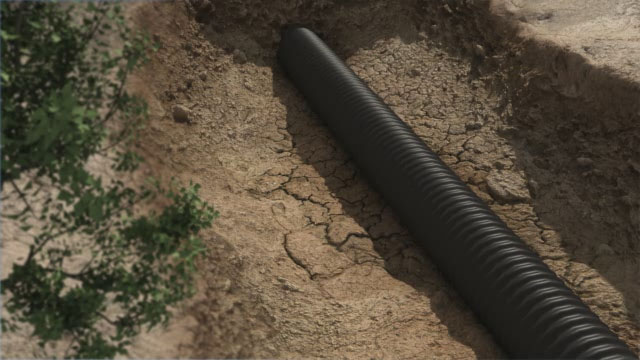
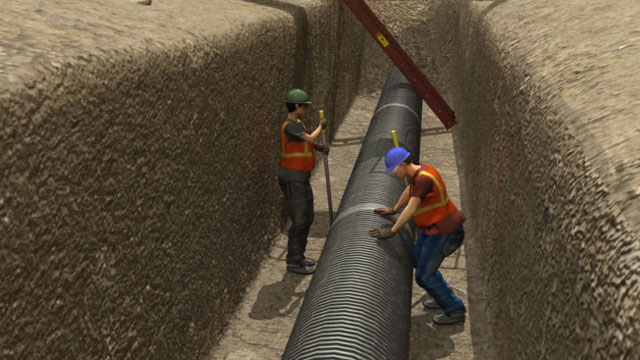
An excavation is any man-made cavity created in the ground by removing earth. A trench is a kind of excavation. It is a narrow channel that is deeper than it is wide. The term trench is typically applied to channels that are less than 15 feet wide at their base. Excavating is one of the most dangerous operations in construction work. There are an average of 70 deaths each year in the US due to excavation accidents and thousands more injuries. Most of these accidents could be prevented by following simple safety procedures. Even if you’re not in charge of overseeing an excavation, you should be familiar with the general hazards of this work. Knowing how to spot potential problems will help keep you and your co-workers safe.
Additional Resources
- U.S. Department of Labor’s Occupational Safety & Health Administration (OSHA) – www.osha.gov
- OSHA Safety and Health Topics – https://www.osha.gov/SLTC/trenchingexcavation/index.html
- OSHA Documents – https://www.osha.gov/doc/outreachtraining/htmlfiles/excavate.html
- OSHA FactSheet – https://www.osha.gov/Publications/trench_excavation_fs.html
- OSHA eTools – https://www.osha.gov/SLTC/etools/construction/trenching/mainpage.html
- National Institute for Occupational Safety and Health (NIOSH) – www.cdc.gov/niosh/
- NIOSH Workplace Safety & Health Topics – http://www.cdc.gov/niosh/topics/trenching/


