August 13, 2025 6 min read

Construction Onboarding: Best Practices and Checklist
Industry:
Solution:
A solid onboarding program lays the foundation for lasting success in any organization. When new hires are properly trained, they’re more likely to stay and perform at their best. In construction, onboarding takes on added importance to help keep workers safe and confident on the job.
Given the industry’s risks and complexities, a strong onboarding process provides employees with the tools and knowledge to handle daily responsibilities. This guide walks through best practices for AEC onboarding and includes a structured construction onboarding checklist to help standardize your process.
This guide explores construction onboarding best practices and includes a structured checklist to help standardize your process.
Key highlights:
- A strong workforce not only knows the challenges of the construction industry but also has the confidence to manage tasks and reduce risks.
- Effective construction onboarding training should clearly define job site expectations, tailor training to each role, and reflect the company’s safety values.
- Onboarding new employees should begin right after hiring and continue into the early days on the job.
- Vector Solutions helps construction teams stay prepared with mobile-friendly, industry-specific training and smart tracking tools that make onboarding easier and more effective.
Why Is Properly Onboarding Construction Workers So Important?
Construction is fast-paced and full of risks. It’s the kind of work that demands sharp focus, physical stamina, and a strong safety mindset. When new workers step onto a jobsite, they need more than just tools. They need clear guidance and support from day one to help prevent accidents, reduce turnover, and close any training gaps early.
This kind of work can be tough, both physically and mentally. That’s why it’s so important to make sure new hires feel prepared and confident. According to the Bureau of Labor Statistics (BLS), construction consistently ranks among the most dangerous industries, with nearly one in five fatal workplace injuries happening on construction sites.
And it’s not just about safety. In 2024, the BLS also reported that turnover in the construction industry was higher than the national average. That means companies are constantly bringing on new people, making strong onboarding not just a best practice, but a necessity to keep things running smoothly.
Are You Onboarding Construction Workers?
This safety training guide helps reduce risk and increase retention from day one.
Download Checklist
Construction Worker Training for New Hires: Best Practices
Onboarding sets the tone for a new hire’s success, safety, and overall job. While every role comes with its own responsibilities, every team member should understand your company’s culture and expectations.
The following nine construction onboarding best practices will help your entire team operate smoothly and efficiently.
1. Start With a Safety Orientation
New hires are especially vulnerable to accidents during their first few days on the job. That’s why your construction training should reflect a strong commitment to employee well-being from day one. It should give workers both general safety knowledge and role-specific guidance.
After orientation, every new team member should understand the site-specific hazards they may face, how to avoid them, and the proper steps for reporting unsafe conditions.
Important construction safety topics to cover include:
- Personal protective equipment (PPE) guidelines
- Emergency response and preparedness
- Fall prevention
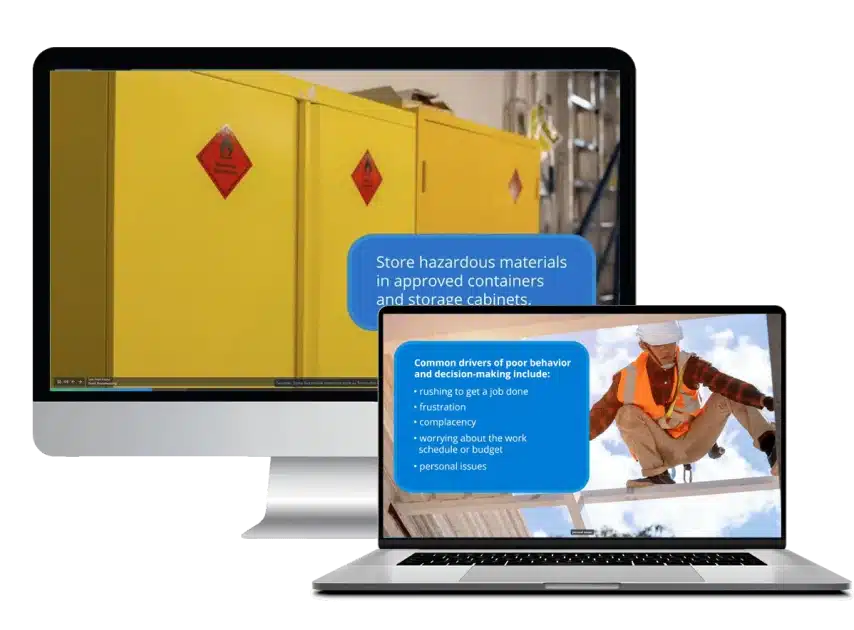
- Safe handling of hazardous materials
- Fire safety protocols
- OSHA regulations
- Electrical safety best practices
- Safe operation of forklifts, cranes, ladders, and scaffolds
2. Communicate Jobsite Expectations Early
Clear communication of job site expectations is key to avoiding confusion and errors. New hires should be fully informed of your policies, procedures, and standards before their first day to set your team up for success. When employees know exactly what’s expected, they’re more productive, and great results are delivered. In many cases, performance issues aren’t about a lack of skill; they stem from a lack of clarity
Be sure to cover key topics like:
- Start times, end times, and break schedules
- Project timelines and quality expectations
- Company values and workplace culture
- Proper use and maintenance of tools and equipment
3. Assign a Mentor or Crew Lead
Pairing a new hire with an experienced crew lead or mentor can make the transition into the job much smoother. This relationship builds trust and gives new workers a reliable point of contact, someone who understands the ropes and can offer advice.
Mentors can share insights, offer guidance, and help new workers feel more confident as they settle in. A strong mentorship relationship can help:
- Pass down knowledge and experience
- Improve communication channels on the job site
- Manage stress and navigate challenges
- Promote a welcoming and inclusive work environment
4. Deliver Role-Specific, On-Demand Training
Training should match each employee’s role and the specific risks they face on the job. Not everyone needs the same information. Customizing content by position makes learning more efficient and relevant.
Personalized construction role learning paths can support workers in their skill progression and reaching their goals over time. On-demand formats enable learners to continue to grow when it works best for them, at their own pace.
Tailored training offers these key benefits:
- Increased engagement and productivity
- Measurable improvements in performance
- Better safety outcomes and higher retention
5. Ensure Mobile Access to Onboarding Materials
Mobile-friendly training allows workers to access content when they are away from the computer. This is important in an industry like construction, where teams rarely sit at a desk. When employees can train on a tablet or smartphone, it reduces downtime and makes it easier to fit learning into a busy day.
Mobile access to training materials can help reduce:
- Delays in work progress
- Mistakes in task execution
- Safety incidents with construction workers on site
- Lapses in compliance
6. Reinforce Key Skills With Ongoing Touchpoints
Construction worker training is not a one-and-done process. It should be reinforced to make sure workers are doing their job properly, meeting regulations, and following safe practices.
Regular touchpoints give supervisors a chance to check progress, offer support, and guide improvements. Spacing out learning sessions also improves long-term retention and reduces onboarding skills gaps on the job.
Key training touchpoints include:
- Tracking progress and development
- Building strong supervisor-worker relationships
- Providing refresher training
- Offering timely and constructive feedback
7. Align Onboarding With Company Safety Culture
The Construction Management Association of America states that the construction industry needs “a commitment to zero injuries and accidents and the development of a safety culture that believes ‘all accidents can be prevented.’” Construction worker onboarding is your opportunity to demonstrate your commitment to their well-being and reinforce that it isn’t just about compliance; it is a shared responsibility, core value, and non-negotiable part of the job.
Here are three ways to show your commitment to safety:
- Recognize employees who lead by example with safe practices
- Encourage open communication about unsafe conditions
- Promote teamwork and shared accountability on every jobsite
8. Track Progress and Certification Status
Tracking and reporting are imperative for maintaining safe and efficient operations. With a solid system in place, supervisors can check if their employees are well prepared and ready for the job. Ensuring employees are fully trained protects your people and organization from risk. Tracking keeps you aware of gaps and helps you confirm that certifications are up-to-date.
Leverage your tracking tools to:
- Keep organized records for audits and inspections
- Verify that all certifications are current and valid
- Track training completions and test results
- Reassign or update training as needed
9. Encourage Feedback and Two-Way Communication
New employees bring new perspectives. They might spot gaps, inefficiencies, or safety concerns that others overlook. Encouraging open communication during onboarding helps them feel more comfortable speaking up. It also shows that their feedback matters and can lead to real improvements.
When workers know their voice is valued, it creates a stronger and more engaged team from the start. Use feedback to help your team:
- Improve onboarding construction workers
- Boost engagement and overall job satisfaction
- Strengthen safety practices and communication
- Increase retention and reduce turnover
Construction Onboarding Checklist
A structured onboarding process not only supports compliance and safety but also sets the tone for a strong, supportive workplace safety culture, which is especially necessary in construction, where risks are high and collaboration is essential. This checklist outlines the essential steps before and during a worker’s first day to promote safety, productivity, and well-being.
Before the First Day
Preparation of a new hire’s start date helps make sure they arrive ready to work safely and confidently. Completing these items ahead of time reduces administrative delays and establishes trust from the outset.
- Background check
- Signed offer letter and contract
- Completed I-9 and W-4 forms
- Emergency contact information
- Signed policy acknowledgments
- Drug screening, if required
- Verified certifications and licenses
First-Day Tasks
The first day sets the stage for a new employee’s or contractor’s entire work experience. These actions help new team members feel welcomed, equipped, and informed while reinforcing company values and safety priorities.
- Introduce the team
- Hand out PPE
- Give a tour of the jobsite
- Provide an ID badge or site access
- Review the training schedule
- Go over the company’s mission and values
Safety Training Topics
Construction safety training provides information and focuses on raising safety awareness so every worker understands jobsite hazards, safety procedures, and compliance requirements before starting tasks.
- Emergency procedures
- Site-specific hazards
- OSHA regulations
- Job task training modules
- Proper PPE use
- How to report incidents
Job Instruction
Clear job instruction is important so workers know their responsibilities, how to operate equipment safely, and how their role fits into overall project goals.
- Job responsibilities
- Equipment training
- Compliance expectations
- Project goals and timelines
Ongoing Support
Onboarding doesn’t end after the first week. Regular check-ins, continuous training, and milestone recognition help maintain engagement, safety, and skill development throughout a worker’s tenure with the construction company.
- Set regular check-ins
- Track training progress
- Offer refresher sessions
- Collect feedback
- Celebrate milestones
Build a Safer Site from Day One
Explore our online EHS training courses designed to meet OSHA, EPA, DOT, and other leading safety standards.
View Courses
Streamline Your Construction Worker Training Program with Vector
At Vector Solutions, we deliver the tools to streamline your onboarding process and enhance worker training accessibility. We have been serving the industry for over 25 years with online training trusted by leading AEC firms. Our learning management system is built for professionals to manage safety, compliance, and licenses.
With our industry-focused training solution, you can:
- Assign relevant training to anyone, anywhere in your organization with just a few clicks
- Provide licensed employees with access to required continuing education training
- Meet and track requirements to increase productivity and support sustainable operations
- Deliver online training effectively and support employee training needs and career growth
- Use built-in content creation tools to aid in training course development
- Create competency assessments to pre-assess employees, find skills gaps, and automatically assign training
Book a demo today and learn how we can support your construction onboarding and training goals.