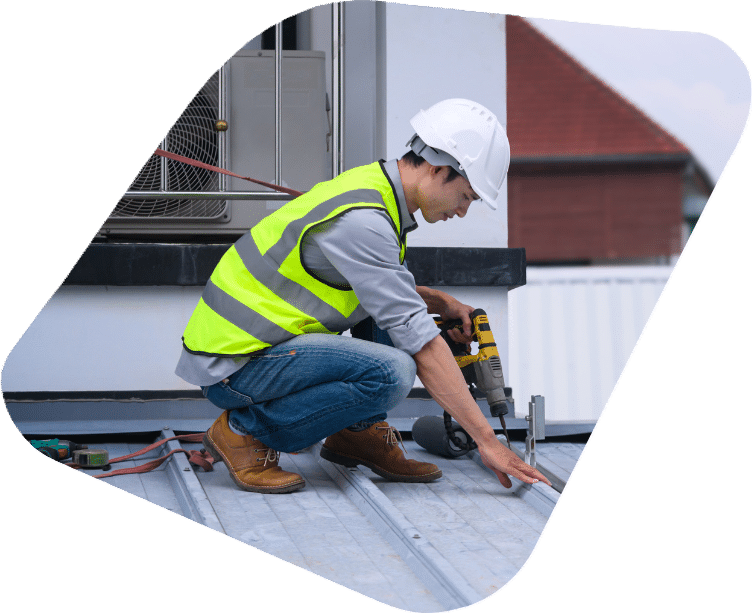
A clogged roof drain or a small opening in a roof seam might seem minor, but if left unaddressed, it can lead to water-damaged classrooms, costly repairs, and even unexpected school closures.
During the 2024–25 school year, approximately one in five U.S. school districts canceled classes at least once due to facility-related issues. According to a September 2026 report from the U.S. Government Accountability Office (GAO), these disruptions affected an estimated 2 million students and resulted in roughly 3.5 million lost days of learning.
While not all these disruptions were roof-related, water intrusion was among the most commonly reported chronic facility issues. Nearly half of districts (47%) also reported chronic facility problems at one or more schools. For administrators responsible for school safety, risk management, and facilities, routine roof inspections offer a practical way to identify potential issues early and reduce the risk of costly disruptions.
Vector Solutions’ new K-12 Safety & Compliance course, Roof Inspections: Importance of Safety, helps facilities staff understand how to conduct roof inspections safely. Here’s the bigger picture behind it, and what districts can do now.
Water Intrusion Is the Problem Districts Keep Patching
The GAO’s site visits revealed the extent of damage caused by roof leaks and water intrusion, including damaged ceilings, floors, and electrical systems. As Facilities Dive reported, one teacher described “a little waterfall” in her classroom during heavy rain.
Part of the challenge is cost. A full roof replacement can cost millions of dollars, leading many school districts to rely on temporary repairs instead. With already strained budgets, these decisions become even more difficult. In fact, 55% of districts reported to the GAO that their most recent facilities budget was insufficient to meet their needs.
These financial constraints make early detection even more important. The GAO found that approximately one in five districts had limited or no capacity to perform recommended preventive maintenance. Those districts experienced more chronic facility issues and greater disruptions to students’ learning.
How Often Schools Should Inspect Their Roofs
Writing for School Business Now, Todd Hyams, RRO, of FiberTite Roof Systems, notes that school roof systems “should be inspected twice per year as well as after significant weather events.” He adds, “The longer an open seam or puncture goes unrepaired, the greater the risk of damage to the roof system.”
Inspecting school roofs at least twice a year is a good starting point, although factors such as roof age, condition, manufacturer recommendations, warranty requirements, and local weather conditions may call for more frequent inspections. Fall inspections can help identify debris buildup before winter, while post-storm inspections can reveal potential damage once conditions are safe.
A consistent inspection schedule is only effective when staff understand their responsibilities. Facilities employees should focus on identifying and reporting potential issues, leaving repairs involving flashing, membranes, leaks, or structural concerns to qualified roofing contractors. Even minor repairs can expose employees to hazards they may not be trained or equipped to handle.
What to Check During a School Roof Inspection
A consistent checklist helps facilities teams identify potential issues early. Many warning signs can be spotted from the ground or inside the building, reducing unnecessary roof access.
| Area |
What to Look For |
| Drainage |
Clogged gutters and roof drains, cracked downspouts, standing water near storm drains |
| Roof surface |
Tears, blisters, punctures, and standing water or signs of past ponding |
| Flashing and seams |
Separation, damage, or gaps where water can get in |
| Debris |
Leaves, branches, and other material blocking drainage |
| Snow and ice |
Heavy or uneven accumulation, especially after storms |
| Interior |
Water-stained ceiling tiles, wall stains, mold, or active leaks |
Inspections Shouldn’t Create a New Risk
While routine inspections help prevent costly damage, employee safety must remain the priority. Rooftops present several hazards, including unprotected edges, skylights, slippery surfaces, extreme temperatures, and unsafe access equipment.
To reduce these risks, districts should establish clear safety procedures that address:
- Roof access: Define which employees are authorized to access roofs and what training is required.
- Pre-inspection checks: Evaluate weather conditions, access equipment, and potential hazards before beginning an inspection.
- Communication: Ensure employees notify a supervisor or coworker before accessing a roof.
- Stop-work authority: Empower employees to stop an inspection when conditions become unsafe or a task exceeds their training.
Ultimately, employees should understand when it’s safe to proceed and when to leave the job to a qualified professional. As Vector Solutions’ new course emphasizes, “When in doubt, don’t go out.”
Documentation Protects Staff, Budgets, and Buildings
Clear documentation helps districts track roof conditions, prioritize repairs, and plan future maintenance. Inspection reports should identify the building and roof area, describe observed issues, and include photos when they can be taken safely. Urgent concerns, such as blocked drains, significant standing water, or visible structural damage, should be reported promptly. Over time, these records can also support budget requests, warranty considerations, and long-term maintenance planning.
How Vector Solutions Can Help
Vector Solutions’ K-12 Safety & Compliance library gives facilities teams role-specific training, from rooftop hazards to ladder use to HVAC and electrical, plus the tracking and documentation districts need to show staff were trained before they were sent up on a roof.