Blog
October 28, 2025 9 min read

The 11 Most Critical Architecture Courses for 2026
Industry:
AECCommercial Enterprise
Solution:
Architecture and DesignVector LMS
This article is part of our Architecture Continuing Education and Training Playbook. Download the PDF guide for more.
Architects require creativity and technical expertise. The profession also carries the responsibility of protecting human health, safety, and welfare (HSW).
Because of the focus on human safety, most U.S. licensing boards now require HSW Continuing Education (CE) to maintain an architecture professional license. HSW CEU hours are typically 12 of the 18 annual hours required to maintain licensure, according to the American Institute of Architects (AIA). In addition to HSW continuing education, changes in regulations, codes, and sustainability standards, means that architects must continuously develop their professional knowledge of sustainable design practices as well.
For AEC firms, providing their employees with high-quality continuing education architectural courses isn’t just about meeting compliance requirements. They see value in fostering innovation, reducing risk, and building a culture of accountability among their architecture team.
Essential Architecture Courses
The following list of courses highlights 11 essential architecture courses that address the industry’s and state licensing board’s top priorities, from OSHA-aligned safety programs to professional ethics and sustainability-focused continuing education.
| Essential Architecture Courses |
Key Course Learning Objectives |
| Course 1: Heat Stress Causes |
Extreme heat is one of the fastest-growing safety issues and project risks on a construction jobsite. According to For Construction Pros, hot weather can delay construction projects, increasing total costs by nearly 24% and extending project timelines by 26%. For architects involved in construction administration and site observation, understanding how temperature and environmental conditions affect job performance is part of protecting HSW. This course explains the causes and early heat stress warning signs and how to plan for exposure and scheduling strategies. |
| Course 2: Personal Protective Equipment (PPE) |
Architects who regularly visit a construction site need a foundational understanding of PPE standards to protect themselves and their teams. This course reinforces how to select and maintain PPE and assess hazards on job sites. For architecture and design firms, consistent PPE compliance minimizes accidents and reinforces a safety-focused culture that clients and partners seek. |
| Course 3: Slips, Trips, and Falls |
Falls on construction sites represent 49% of all fatal falls according to the CDC. Falls are one of the most common site incidents. This course helps architects recognize unsafe conditions, integrate preventative thinking into site reviews, and fold human-centered safety into design practice. Firms avoid costly disruptions and demonstrate due care to clients and contractors. |
| Course 4: Bloodborne Pathogens |
Architects working on build projects need a clear understanding of contamination risks and the OSHA Exposure Control Standard. This course explains how to prevent cross-contamination, maintain safe work practices, and develop exposure response plans. |
| Course 5: Back Injury Prevention |
Due to the nature of the job, architects are at risk of repetitive stress injuries due to prolonged and repetitive use of drawing tools or computer programs. This is a concern for firms and licensed professionals whether in the field or at a desk. This course discusses how to reduce strain and musculoskeletal injury through safe movement, posture, and proper workspace setup. |
| Course 6: Long and Near Term Planning – From Vision to Roadmaps to Daily Planning |
This course helps architects learn how to balance long-range goals of their firm with the day-to-day execution of projects. It shows how to create a vision, build roadmaps, and translate them into daily workflows that keep design, construction, and firm strategy aligned. |
| Course 7: Accessibility and Visitability |
Accessibility is one of the most important HSW topics for architects. This course focuses on the Americans with Disabilities Act (ADA) and visitability principles that make spaces usable by people of all abilities. It helps architects interpret code requirements, apply practical design details in residential and public projects, and prevent compliance errors and rework. |
| Course 8: Introduction to Net Zero Carbon Design |
Designing for carbon reduction has become one of the most important core competencies for an architect. This course introduces the fundamentals of net zero carbon design for both operational carbon (energy used once a building is occupied) and embodied carbon (emissions from materials and construction). The course also covers how efficient building envelopes, passive design strategies, optimized heating and cooling systems, and renewable energy sources work together to support net-zero-carbon outcomes. |
| Course 9: 2021 International Building Code Essentials: Health & Safety |
For architects, keeping up with building codes is a matter of public health and professional integrity. This course covers foundational provisions of the International Building Code (IBC) that impact weather protection, indoor ventilation and light, and other health and safety design considerations. Staying current with code updates helps architects design responsibly, meet licensure obligations, and protect building occupants. |
| Course 10: USGBC® LEED® v5 Update: Key Changes and Implications |
As sustainability requirements continue to evolve, architects are required to stay aware of green building standard updates. This course reviews the latest U.S. Green Building Council (USGBC) LEED v5 rating system and highlights new credit categories focused on climate action, human health, and ecosystem conservation. |
| Course 11: Electrical Fire Alarm Systems |
Fire alarm systems are one of the most important elements of building safety and occupant protection. This course helps licensed professionals understand system components, activation methods, and code-based design considerations so they can incorporate reliable fire-detection and notification systems into their projects. |
Empower Your Architects with Expert-Led Training
Give your architects on-demand courses that improve compliance, reduce risk, and strengthen project delivery.
Explore Courses
Main Types of Architect Courses
Architecture firms do much more than design. They manage safety, compliance, client expectations, and firm culture. These are all important attributes that depend on a strong continuing education foundation and training for architects. Vector Solutions’ continuing education training for architects provides a role-based and license aligned learning path for architects and firms to strengthen compliance and advance professional growth.
Compliance Training
Compliance courses for continuing education is a foundational component for every architecture and design professional. CEs that architects understand and align with OSHA, ADA, and/or building code requirements directly impact project safety and risk management. Important courses like Hazard Communication GHS and Bloodborne Pathogens help professionals maintain compliance while protecting workers and the public.
For firms, the courses in architecture help align consistent safety knowledge and practices across teams, reduce exposure to liability, and build a culture of accountability. The CEs also help strengthen client trust and meet licensure requirements.
Technical and Code-Based Training
Technical and code-related continuing education strengthens an architect’s ability to develop drawings and designs, coordinate across disciplines, and deliver code-compliant projects.
Courses in architecture like Drafting Software for Engineers and Designers help architects improve proficiency with modern design technology such as Computer-Aided Design (CAD) and Building Information Modeling (BIM). These technologies help support architecture drawings. In addition, code-related courses such as those that align with the International Building Codes, help reinforce practical knowledge architects need to integrate safety, accessibility, and performance in every design decision.
Sustainability and Innovation Training
Architecture continues to evolve as clients and also regulation bodies demand greater energy efficiency and reduced environmental impact. CEs in this area helps architects stay current with sustainability standards, green design best practices, and maintain compliance with HSW requirements. Up-to-date courses focused on carbon-neutral and LEED-certified design help architects learn more about integrating sustainable materials, renewable systems, and performance-based approaches into their designs.
With a focus on building professional skills in sustainable design and innovation, firms can improve their learning and development ROI while supporting architecture skill development, but they also expand market reach, strengthen proposals for potential clients, and demonstrate measurable progress toward health, safety, and environmental commitments.
Business and Practice Management Training
Leadership and collaboration are important skill development areas for architects. Project management, communication, and leadership skills training helps licensed professionals connect firmwide strategy to project-level objectives. These programs strengthen the ability to manage teams, align design intent with client expectations, and uphold both quality and compliance across all phases of work.
A great example is BSB Design, an architecture and design firm that leverages Vector Solutions’ safety, compliance, and workforce readiness tools to support architect growth and career advancement. By integrating a structured professional development program and providing architect courses that combine business and leadership skills with technical training, BSB Design has been able to build a stronger culture of accountability and empower architects at every stage of their career. In addition, providing industry-specific continuing education courses that focus on leadership and practice management improves collaboration, reduces risk, and enhances client satisfaction.
Top 11 Courses for Architecture in 2026
As the architecture profession advances, the knowledge required to design safe, sustainable, and resilient spaces grows just as quickly. Continuing education, particularly training recognized by AIA and IACET, can play a pivotal role in helping architects stay licensed, competitive, and compliant with new HSW standards.
For firms, structured professional development programs shouldn’t be focused on only checking the compliance box. The programs can be designed to strengthen a firm’s reputation for technical excellence, attract and retain top talent, and help projects meet expectations. These 11 architecture course examples from Vector Solutions represent some of the most valuable compliance and career development focused options available for architects in the coming year.
Each course below is available as part of Vector’s AEC training online and also supports CEU and HSW learning objectives recognized by licensing boards and industry associations.
1. Heat Stress Causes
Extreme heat is a common risk on construction jobsites. For architects involved in site observation or construction administration, understanding environmental impacts is vital to protecting HSW. This course explains how to recognize early warning signs of heat-related illness, plan for exposure, and manage schedules around weather extremes.
Key Objectives:
- Recognize the early symptoms and causes of heat stress.
- Apply OSHA-aligned prevention strategies in construction environments.
- Integrate weather-related safety considerations into project planning.
Course Format: Online
2. Personal Protective Equipment (PPE)
Every architect visiting an active job site needs foundational knowledge of PPE standards. This course reinforces how to select, maintain, and assess PPE while identifying job site hazards. For firms, consistent PPE awareness supports safer field visits and strengthens safety culture.
Key Objectives:
- Identify the correct PPE for various job site environments.
- Understand OSHA requirements for PPE.
- Grow safety accountability through proper field practices.
Course Format: Online
3. Slips, Trips, and Falls
Falls are one of the leading causes of injury and fatalities on construction sites. This course helps architects recognize hazards that contribute to slip, trip, and fall incidents. By integrating preventive awareness into fieldwork and design preparation, architects can help their team, mitigate risk, and support the firm’s safety culture focus.
Key Objectives:
- Identify the primary causes of slips, trips, and falls on worksites.
- Implement safety protocols during site inspections.
- Support HSW through thoughtful design and planning.
Course Format: Online
4. Bloodborne Pathogens
Architects working in healthcare, education, or renovation environments may encounter biological hazards. This course helps professionals understand OSHA’s Bloodborne Pathogens Standard, how to prevent exposure, and how to build an effective response plan. For firms, HSW architecture courses online help raise awareness and support compliance, especially on adaptive build projects.
Key Objectives:
- Define bloodborne pathogens.
- List common types of bloodborne pathogens.
- Describe what to do if exposed to a bloodborne pathogen.
Course Format: Online
5. Back Injury Prevention
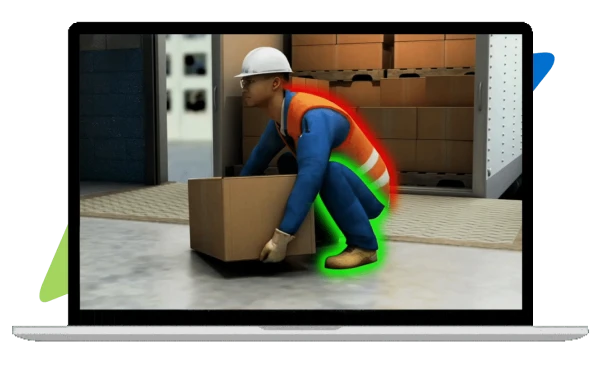
Whether an architect is working long hours at a computer or on a construction site, they face musculoskeletal strain risks. This course provides practical guidance on posture, lifting techniques, and ergonomic workstation setup. It empowers professionals to maintain long-term physical health.
Key Objectives:
- Explain the importance of back injury prevention.
- Describe the anatomy and mechanics of the back.
- Identify common causes, signs, and symptoms of back injuries.
Course Format: Online
6. Long and Near Term Planning – From Vision to Roadmaps to Daily Planning
This architect course helps connect the firm’s build goals and daily operations. It covers how to turn long-term vision into strategic roadmaps and actionable plans. For a firm’s architecture team, this course helps enhance this skillset that results in better communication, coordination, and project predictability.
Key Objectives:
- Examine the importance of long-term product planning.
- Explore the means of near-term planning.
- Utilize product visions to align outcomes.
Course Format: Online
7. Accessibility and Visitability
Accessibility is a core HSW priority for architects because it connects design directly to human safety and equity. This architectural course reviews the ADA, IBC provisions, and visitability principles that make buildings and public spaces usable for everyone. The course covers the visitability movement, which encourages architects to design everyday environments that allow people of all abilities, whether permanent or temporary, to move and enter independently.
For firms, providing access to architecture courses online helps integrate accessibility and visitability early in the design process and demonstrates a commitment to ADA inclusion compliance and supports community trust universal design principles.
Key Objectives:
- List the 3 basic principles of visitability.
- Describe how the visitability movement got started and how it pertains to building today.
- Describe how visitability and universal design work with one another to create a more accessible built environment.
Course Format: Online
8. Introduction to Net Zero Carbon Design
Designing for carbon reduction has become a necessary skill for architects. This architectural course introduces the principles of net zero building design and explains how these guidelines align with sustainability requirements. Architects learn to evaluate building envelopes, which are the walls, roof, windows, and other aspects that separate interior spaces from the outdoors. The course also covers natural ventilation and renewable energy systems used to meet performance and occupant comfort goals.
For firms, developing fluency in net zero design supports client sustainability commitments and strengthens proposal competitiveness.
Key Objectives:
- Define zero net carbon design principles and explain their significance in sustainable architecture.
- Identify advanced energy efficiency and renewable system strategies that reduce operational carbon and support climate resilience.
- Apply equitable design and natural ventilation approaches that balance occupant comfort, environmental performance, and community goals.
Course Format: Online
9. 2021 International Building Code Essentials: Health & Safety
For architects, staying current with building codes is essential to both professional integrity and public safety. This course reviews key HSW provisions of the 2021 IBC, including updates affecting weather protection, ventilation, lighting, and occupant safety. By understanding how these changes influence design and construction, architects support compliance, improve documentation, and protect the health and safety of building occupants and visitors.
For firms, consistent code knowledge across teams helps reduce rework, avoid permitting delays, and demonstrate a proactive commitment to code-compliant design.
Key Objectives:
- Identify the role of building codes in the design process and the importance of evolving standards for code requirements.
- Distinguish between the various types of codes, including those related to health and safety, used in the building process.
- Compare prescriptive versus performance-based code requirements under the IBC
Course Format: Online
10. USGBC LEED v5 Update: Key Changes and Implications
Sustainability standards such as LEED evolve. For example, LEED v5 introduces new information around climate protection, occupant well-being, and ecosystem restoration. This course explains the recent rating-system updates and how they affect design strategy, documentation, and certification.
For architects taking architecture courses online, understanding LEED v5 prepares teams to integrate energy, materials, and health metrics into early project phases. For firms, it supports client sustainability goals and positions them for success in a market that increasingly values performance-based design.
Key Objectives:
- Review key changes and explain the significant updates and LEED v5 changes introduced compared to previous versions
- Describe the enhanced LEED performance metrics and how they affect project evaluation and certification processes
- Discuss the broader implications of LEED v5 on the green building industry and its potential to influence policy, market trends, public well-being,
- and stakeholder engagement
Course Format: Online
11. Electrical Fire Alarm Systems
Fire alarm systems are essential to occupant protection and building performance. This course introduces the core components, activation methods, and code requirements for electrical fire alarm systems, helping architects coordinate effectively with engineers and ensure designs comply with life-safety codes.
For firms, building literacy around fire-alarm systems reduces coordination errors during documentation and construction, improving both safety outcomes and inspection readiness.
Key Objectives:
- Describe how fire alarm systems are critical to the safety of facilities.
- Identify key equipment and components that make up fire alarm systems.
- Apply the code for a specific building or facility to provide a safe living and working environment.
Course Format: Online
Explore our full library of courses for architects.
Streamline Continuing Education for Your Architecture Team
Deliver, track, and report AIA-approved CE courses in one platform.
View Courses
How to Choose the Right Architectural Courses
Selecting the right continuing education is about more than satisfying CEU requirements. For architecture firms, it’s an opportunity to align professional development with business goals, improve compliance, and foster employee engagement. The AIA reports that when firms strengthen employee engagement, it helps improve both recruitment and retention outcomes and boosts profitability while advancing the profession.
The right mix of online architecture training and development can turn compliance into a competitive advantage and support both firm growth and individual career progression.
Aligning Training With Firm Objectives
Training should connect to a firm’s strategic goals whether that’s pursuing new project types, improving safety metrics, or developing leadership talent. Aligning CEU topics with firm objectives helps create training programs that drive results.
For example, a firm expanding into healthcare design may prioritize accessibility. Another firm that has strategic objectives around green building and civic sustainability could emphasize LEED CEUs. Practical ways to align training with business strategy include:
- Mapping staff skills to upcoming project types.
- Prioritizing architect courses that close identified knowledge gaps.
- Incorporating role-based training plans so junior and senior architects further develop skills that help them grown in their careers.
Balancing Compliance Requirements and Career Growth
Licensure renewal is essential for architects, but limiting continuing education to only compliance topics would miss a bigger opportunity. The most effective professional development programs combine mandatory HSW CEU coursework with skills training that encourages innovation, leadership, and team building.
Supporting Multi-State or Multi-Team Needs
Firms operating across several states face different CEU requirements. A centralized learning and development platform helps track completions, manage deadlines, and verify renewals. These features are important to help architects track their license renewals and avoid risks lapses or issues during an audit.
| LMS Platform Capability |
Why this Matters for Firms |
| Automates license tracking and renewal reminders |
Reduces administrative time and eliminates missed renewal deadlines that could result in license lapses or compliance penalties. |
| Ready to launch courses and course libraries across offices and regions |
Helps make sure that architects in every location have access to the same HSW-aligned continuing education, maintaining standards and reducing risk of inconsistent training. |
| Provides admin and architect visibility into CEU progress and completion rates |
Provides architects and team leads insight into employee readiness, helping them plan staffing and renewal calendars with confidence. |
Prioritizing Skills for Emerging Industry Trends
The state of architecture continues to evolve through advances in sustainability, materials science, and digital design. Architectural firms that integrate continuing education into their strategic plans are better prepared for this shift. From carbon-neutral design and building information modeling (BIM) to advanced material systems, architects who continually update their skills are equipped to meet the industry’s expanding expectations.
Prioritizing employee learning and development in these areas helps architecture teams anticipate code changes, align with green building frameworks, and respond to client demand for forward-thinking designs. Offering training on emerging trends not only strengthens technical expertise but also positions the firm as an innovator in the AEC industry.
Evaluating Long-Term Value Beyond Single Courses
One of the greatest training ROIs comes from continuous learning rather than non-industry specific courses. Establishing structured AE learning paths aligned with firm objectives supports employee professional growth and keeps it measurable. To maximize value, firms can:
- Develop defined learning paths for interns and junior and senior architects.
- Use learning data to assess impact on project performance and compliance.
- Refresh course selections based on project portfolio changes or new regulations.
Benefits of Using an LMS to Manage Architecture Courses Online
Architecture firms report that managing continuing education is one of the most time-consuming but necessary administrative tasks. Tracking CEU credits, managing deadlines, and providing reports that document how licensed architects are meeting HSW requirements can easily get complex across multiple office locations or states. An AEC Learning Management System (LMS) simplifies this process by centralizing all training, assignments, and reporting.
With an LMS, firms can centralize how they deliver, monitor, and report on architecture courses online, creating a more efficient and transparent process. These systems not only help maintain compliance but also build accountability across departments, so every architect stays current with state requirements and firm expectations.
Centralized Administration
Having all training in one LMS helps firms manage their entire architect course library. Administrators can assign courses based on roles, state license, track completions, and generate progress reports without managing spreadsheets or sending out emails.
The LMS is a big time-saver, whether an AEC LMS admin is managing learning and development for ten architects or hundreds, each licensed professional and team member can access the same approved courses for architecture.
Automated Reminders
Even the most organized teams and team members can lose track of deadlines especially when faced with many high priority tasks. Automated reminders from the LMS helps keep architects on schedule by alerting them to upcoming license renewals, required CE hours, or incomplete courses.
These reminders also reduce the administrative burden on managers and help employees take responsibility for their own continuing education.
Built-In Reporting
Reporting is one of the most valuable features of a modern LMS. Firms can quickly pull real-time data on completion rates. In addition, with built-in reporting, firms can:
- Monitor CEU completion by individual, office, or project team.
- Track license renewals across multiple states or jurisdictions.
- Export compliance reports for AIA or state board audits.
- Spot compliance or upskill training gaps early and assign courses automatically.
Streamlined CEU Management
Tracking individual CEUs with spreadsheets is inefficient and susceptible to human error. An LMS consolidates every architect’s course history, certificates, and renewals into an employee profile. This structure helps firms maintain documentation for each employee and simplifies CEU verification for licensure boards.
At the firm level, streamlined CEU management saves time and reduces administrative overhead. It also gives architects peace of mind that their professional credentials are always up to date.
Scalable Oversight
As architecture firms grow, the ability to manage training at scale becomes critical. An LMS that is designed for AEC should grow with your organization, allowing administrators to maintain standards and oversee learning for multiple teams, offices, and states.
Scalable oversight is important so that no matter where architects work or what project is currently their focus, they have flexibility to accomplish CEU progress, HSW training, career development training, and project-specific education align with firm goals.
Stay Compliant with Online Architecture Courses from Vector Solutions
Vector Solutions helps firms make professional development more efficient and effective. Through AE learning paths architecture firms can deliver safety, sustainability, and leadership education while meeting OSHA, firm, and state-specific license compliance requirements.
Vector’s AEC Safety, Compliance, and Workforce Readiness Platform is purpose-built for design professionals. The courses are accredited and align with AIA-approved continuing education standards, OSHA and ADA compliance, and state-specific HSW mandates.
Key features include:
- Online, self-paced architectural courses
- Automated tracking and training completion certificate availability
- 100s of courses aligned with OSHA, ADA, and AIA curriculum topics
- Custom role-based learning path course assignments
- Course completion data and audit-ready reports
Book a demo today to see how AEC solutions can help your firm deliver and manage architecture courses at scale.
Build Smarter, Safer Projects with a Training Platform made for AEC Firms
Learn More
Frequently Asked Questions
What Types of Architecture Courses Are Most Important for Firms?
Courses that focus on health, safety, welfare, sustainability, and professional ethics are valuable. These topics form the foundation for protecting the public and maintaining compliance with licensing requirements.
Can Architect Courses Be Completed Entirely Online?
Yes. Architecture online training makes it possible to earn CEUs at any time and anywhere. Online learning and development training provides flexibility while meeting AIA and state board requirements for continuing education.
How Do Firms Track and Report on Courses in Architecture?
Many firms rely on a mix of spreadsheets, emails, self reporting, and individual certificates, and often find that approach is time intensive, prone to errors, and doesn’t scale.
Why Should Firms Use an LMS to Manage Courses for Architecture?
As mentioned above, managing continuing education manually is tedious and error-prone, especially for firms with multiple locations or when their teams have multiple license types. Implementing a Safety, Compliance, and Workforce Readiness Platform, helps firms organize courses, track CEUs, stores certifications digitally, and generates reports to meet board or audit requirements. When evaluating options, look for tools that give administrators clear visibility across teams and make it easy to verify completion and connect learning to compliance, project goals, and career progression.
Vector LMS for AEC was built specifically for that balance. It helps firms keep pace with regulatory changes, pairs with accredited AEC courses and libraries, supports every architect and licensed professional in meeting their renewal deadlines, and creates a more connected approach to learning and development.