











July 24, 2025 4 min read

11 Construction Safety Topics Employee Training Must Cover
Industry:
Solution:
Safety training saves lives. In the construction industry, this training is vitally important, especially for site supervisors, safety managers, HR, and learning and development leads responsible for workforce training and compliance. Knowing which topics to prioritize can make the difference between a safe, prepared team and preventable injuries on-site.
Experiencing the highest fatalities of any industry, firms must take construction health and safety training seriously.
In this blog, we’ll review 11 of the most important construction safety topics to cover in employee training. These topics align with OSHA regulations and can help you prevent the most common causes of injuries and save lives.
Key highlights:
- Construction safety training is essential for preventing the industry’s most common and deadly hazards, including falls, electrocutions, struck-by incidents, and caught-in/between incidents.
- OSHA mandates foundational topics like fall protection, electrical safety, and materials handling, but every jobsite may require additional tailored training.
- Choosing the right construction safety training topics involves assessing jobsite risks, worker roles, and past incidents to build a relevant and effective training program.
- Vector Solutions offers engaging, OSHA-aligned construction safety training with 3D animated content and learning paths designed to help teams retain critical information.
What Are the Top 4 Construction Safety Hazards?
Construction sites are inherently hazardous environments, and according to the Occupational Safety and Health Administration (OSHA), a staggering 1 in 5 workplace deaths in the U.S. occurs in the construction industry. Furthermore, the vast majority of these fatalities stem from just four types of incidents. Known as OSHA’s “Fatal Four,” these leading causes of death account for more than 60% of all construction worker fatalities each year.
Before we dive into the topics you should cover in your safety training, it’s important to understand these top hazards in construction — the core causes of injuries and fatalities that demand focused attention.
These four hazards are:
- Falls
- Struck-By
- Caught-In/Between
- Electrocutions
Being more aware of the hazards on a construction site can help prevent these incidents.
What Are the Biggest Construction Safety Issues on a Job Site?
The Fatal Four (also called the Focus Four) are a good indicator of what safety training topics present the biggest areas for improvement in construction:
- Improper Scaffolding: When not installed or used correctly, scaffolding can be dangerous and lead to falls.
- Lack of Fall Protection: Construction crews who don’t use proper personal protective equipment (PPE) or use guardrails and safety nets are at greater risk of falling.
- Inadequate Equipment: All safety equipment and tools must be properly maintained to keep employees safe from harm.
- Poor Communication: Failing to communicate effectively and report hazards can lead to numerous safety hazards.
- Ineffective Training: Training on the right construction safety topic can help prevent all kinds of safety incidents. But if training is cut short, out of date, or not enforced properly, it can create an unsafe work environment.


What Are the Required OSHA Safety Topics for Construction?
To remain compliant with OSHA, it’s important to provide crews OSHA 10-hour construction training. The program covers the safety topics that OSHA requires to ensure your crews remain safe.
This includes OSHA training topics like:
- Electrical Hazards
- Fall Protection
- Materials Handling
- Cranes
- Motorized Mobile Platforms
- Excavations
- PPE
- Confined Spaces
OSHA requires construction employers to provide training that addresses job-specific hazards. For a deeper look at safety topics that support workforce readiness and help prevent the most common OSHA violations, explore our complete guide to course safety topics for construction.
OSHA Reporting & Recordkeeping Guide
Looking to strengthen your construction workforce compliance strategy even further? Download our OSHA Reporting & Recordkeeping Guide to better understand what injuries and illnesses must be documented and how to do it right.
View Guide
How to Choose the Right Safety Topics for Construction
Choosing the right construction safety topics for your workforce isn’t just about compliance, it’s about building a culture of safety, reducing risk, and improving readiness across all roles. To make your training efforts more strategic and impactful, consider these five key factors before selecting your safety training topics.
1. Assess Common Jobsite Hazards
Start by identifying the most frequent and serious hazards your workers face day-to-day. This helps to make sure your training addresses real risks that impact safety and workforce readiness.
- Conduct regular job safety analyses (JSAs) or safety audits.
- Involve supervisors and frontline workers to capture practical insights.
- Prioritize hazards tied to OSHA’s “Focus Four”: falls, struck-by, caught-in/between, and electrocutions.
2. Align with OSHA and Industry Best Practices
Create a training plan that supports both mandatory and recommended topics, based on OSHA standards and evolving industry regulations.
- Review OSHA standards for construction (29 CFR 1926) and local/state regulations.
- Cover topics frequently cited in OSHA violations (e.g., fall protection, hazard communication).
- Choose courses that reflect updates aligned with recent regulation changes like NFPA 70e or Hazard Communication.
- Incorporate training on emerging risks like heat illness prevention to reduce worker health issues that can escalate quickly in extreme conditions.
3. Tailor Training to Job Roles and Experience
Not every worker needs the same depth or scope of training. Customize safety training for your crew by job role, task, and level of experience to make it relevant and engaging.
- Provide foundational training for workers that are new to the job or where refresher training is needed.
- Offer role-specific training for experienced team members or supervisors.
- Reinforce training through health and safety microlearning or coaching.
4. Use Incident Reports to Guide Priorities
Past incidents, whether near misses or recordable injuries, can point to training gaps and opportunities for targeted intervention.
- Review recent and historical incident data to spot patterns.
- Use root cause analysis to uncover training-related issues.
- Focus training assignments on high-risk activities or behaviors tied to past incidents.
5. Account for Seasonal and Environmental Risks
Extreme temperatures can significantly increase safety risks on construction sites. Integrating heat and cold stress training into your safety program helps protect workers during seasonal shifts and supports compliance with growing regulatory focus on climate-related hazards.
- Offer heat stress training during warmer months to help workers recognize symptoms of heat exhaustion and heat stroke, and understand prevention strategies like hydration, rest breaks, and acclimatization.
- Provide cold stress training in colder climates or seasons, covering risks like hypothermia and frostbite, proper layering techniques, and safe work-rest cycles.
- Reinforce seasonal safety through microlearning and toolbox talks tied to weather conditions.
11 Construction Safety Topics to Cover in Training
So, based on OSHA requirements and top environmental hazards, what construction safety topics are vital to a successful training program? We have 11 that absolutely make the list, but this isn’t necessarily exhaustive. Other high-priority safety issues, like heat stress, respiratory protection, and silica exposure, may also need to be included depending on your job site conditions or project scope.
Want help getting your construction training program started? Consider using our learning path for nine essential construction roles ⬇️
A Learning Path Template for 9 Essential Construction Roles
Optimize your employees’ learning journey and foster career development within your organization with our powerful learning path tool.
Download Template
1. Fall Prevention and Protection
Fall prevention and protection encompasses strategies and equipment designed to minimize the risk of falling from elevated surfaces, such as ladders, scaffolds, or roofs. This is critical, as falls are a leading cause of construction-related injuries and fatalities. Proper measures can significantly reduce the likelihood of accidents, ensuring worker safety.
Conduct comprehensive training on the proper use of personal protective equipment (PPE), including harnesses and lanyards. Emphasize the importance of regular equipment inspections and adherence to OSHA regulations.
2. Electrical Safety
Electrical safety involves mitigating risks such as potential shock hazards and fire, which can result in severe injuries or fatalities. Proper training ensures workers understand the dangers of electricity and adopt safe work practices.
Cover the basics of electrical hazards, safety measures when working with power tools, and procedures for working near power lines. Include hands-on exercises and demonstrations to reinforce learning.
3. Materials Handling
Safe materials handling is important on construction sites since workers frequently lift, carry, and move heavy or awkward loads. Using proper techniques helps prevent musculoskeletal injuries, which are a common cause of long-term health problems and lost work time.
Training should focus on correct lifting posture, use of mechanical aids, guidelines for safe transport, and encouraging regular breaks to avoid overexertion. Emphasizing these practices not only reduces injury risk but also promotes a safer and more efficient jobsite.
4. Scaffolding Safety
Scaffold-related accidents are often linked to improper assembly or usage. Proper assembly, use, and inspection help prevent falls and ensure a secure working platform.
Effective training safeguards workers against falls and structural failures. Provide detailed instructions on scaffold assembly, use, and inspection. Include hands-on training sessions and assessments to ensure workers can identify and rectify potential issues.
5. Struck-By Hazards
Struck-by hazards training educates workers on the risks associated with moving vehicles, equipment, and falling objects on construction sites, which are all common causes of injuries. Raising awareness and instilling preventive measures to reduce the likelihood of accidents.
Use real-life scenarios and case studies to highlight potential struck-by hazards. Emphasize the importance of maintaining a safe distance, wearing high-visibility clothing, and using designated walkways.
6. Caught-In/Between Hazards
Caught-in/between training focuses on preventing equipment entanglement, trench collapses, or being caught between machinery and structures. These accidents can lead to severe injuries or fatalities, so training should instill a proactive approach to avoiding such situations.
Provide detailed guidance on equipment operation, trenching, and shoring techniques. Conduct practical demonstrations and reinforce the importance of maintaining situational awareness.
7. Cranes and Rigging Safety
The proper operation of cranes, safe rigging practices, and adherence to load capacity guidelines helps prevent accidents that can result in catastrophic consequences. Training ensures workers understand safe operating procedures and mitigate risks.
Combine theoretical knowledge with practical exercises on crane operation and rigging techniques. Stress the significance of pre-operation inspections and proper communication during lifting operations.
8. Motorized Mobile Platforms
Safety training for motorized mobile platforms focuses on the safe operation of equipment like aerial lifts and scissor lifts, including fall protection measures, proactively mitigating unsafe practices that can lead to falls and accidents.
Training imparts the necessary skills for safe usage and maintenance. Review proper equipment setup, operation, and emergency procedures. Emphasize the importance of personal fall protection equipment.
9. Excavation Safety
Excavation safety training provides guidelines for safe excavation practices, trenching, and shoring techniques to prevent collapses, cave-ins and other potentially fatal accidents.. Training ensures workers can identify and address potential hazards during excavation activities.
Combine online instruction with practical demonstrations of trenching and shoring methods. Highlight the importance of soil analysis and regular inspections.
10. Forklift Hazards
Forklift hazards training focuses on the safe operation of forklifts, including load handling, pedestrian safety, and proper equipment maintenance. This is critical as unsafe operation poses risks to both operators and those working in proximity. Training ensures proper usage and minimizes the potential for accidents.
Cover forklift safety in online training first so employees have a good baseline of knowledge. Then reinforce that training with hands-on training sessions with actual forklifts, covering key operating principles and safety protocols.
11. Emergency Response and Communication
In emergencies, a lack of preparedness and communication can exacerbate the situation. Training ensures workers can respond calmly and communicate effectively. Understanding the procedures to follow and the importance of effective communication can save lives.
Teach the essentials with eLearning, and then simulate emergency scenarios and conduct drills to practice response procedures. Include communication protocols and emphasize the role of each team member in emergency situations.
Vector Solutions Is a Best-in-Class Construction Safety Training Topic Provider
Covering the right topics is only part of the equation. It’s also about how you deliver training matters. With online training accessible anytime, anywhere, workers can learn at their own pace, making it easier to fit safety education into busy schedules. Reinforcing key lessons through microlearning, toolbox talks, and fostering a strong safety culture helps the training objectives stick.
That’s where Vector Solutions can support your ongoing safety efforts. With over 25 years supporting the AEC industry, Vector’s eLearning courses ensure OSHA compliance, covering essential construction safety topics. Our award-winning HSE Course Library and safety case studies help your crew learn, comprehend, and retain potentially life-saving information.
What sets us apart is our commitment to learner engagement. Our content is immersive with 3D animations and scenario-based, making learning memorable. You benefit from a comprehensive library, EHS management tools, a robust Learning Management System, and continuous support.
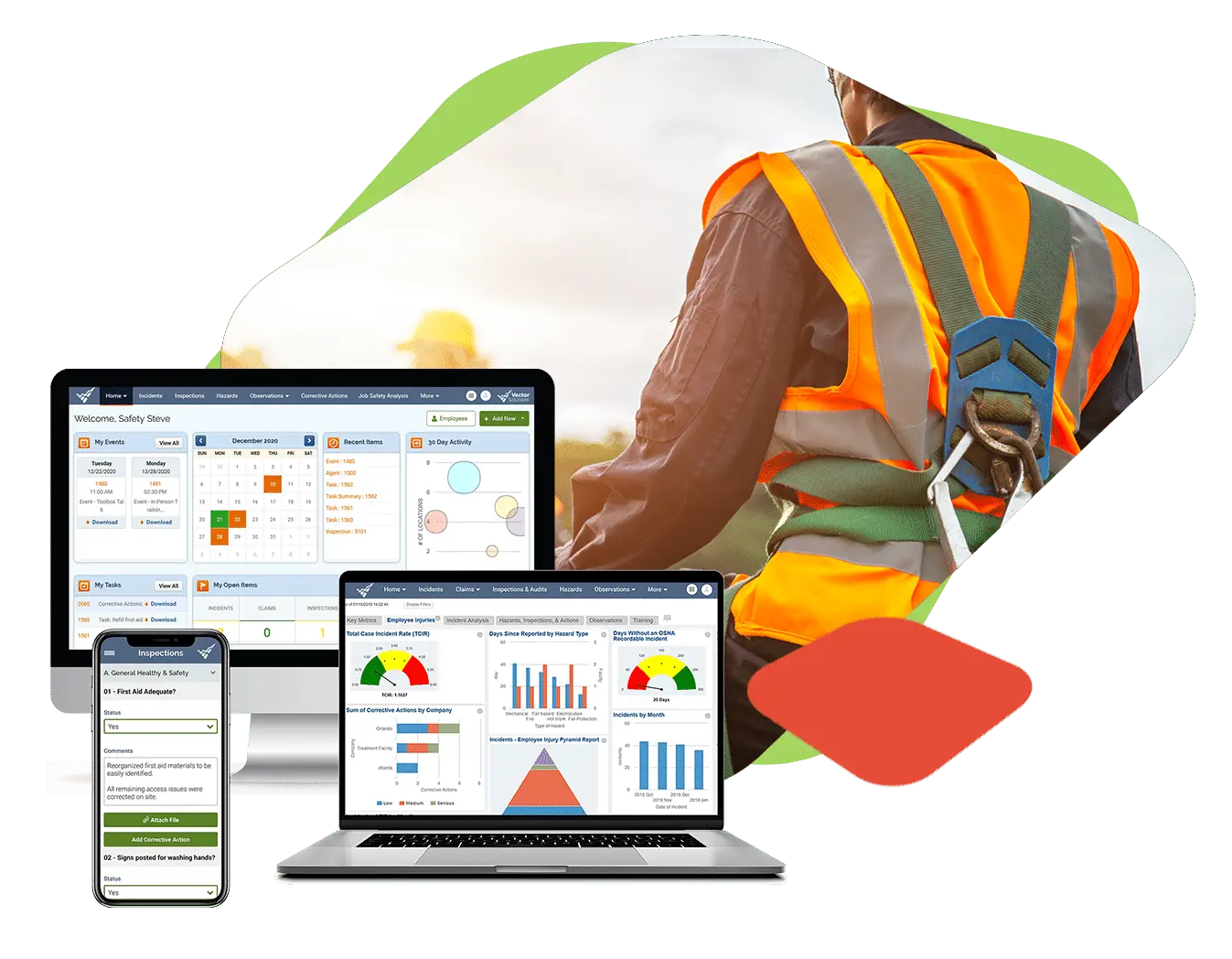
Elevate your team’s safety proficiency today! Request a demo to learn more.
Frequently Asked Questions
How Can I Tell If Construction Safety Topics Are Aligned with OSHA Standards?
To confirm alignment with OSHA standards, utilize training content created by subject matter experts that is also aligned to OSHA 29 CFR 1926 regulations for construction. Focus on the most commonly cited violations like fall protection, scaffolding, and hazard communication and choose topics that directly address these risks. Reputable training providers typically base their content on current regulatory and jobsite safety needs.
How Can I Evaluate the Effectiveness of a Safety Training Topic?
Look at both the outcomes and the on-site behavior. Test scores and completion rates are good signs, but also look for improvements in safety performance, fewer incidents, and better hazard awareness among workers. Training that’s relevant, role-specific, and reinforced through just-in-time training or microlearning tends to deliver strong results.
How Will I Manage Safety Training Topics Online?
Using an online training platform makes it easier to assign, track, and monitor safety training across your teams. You can schedule courses based on role, risk level, and compliance needs, and access real-time progress reports. With mobile-friendly formats and automated notifications, workers can complete training on their own time and without impacting jobsite productivity.
Who’s Responsible for Selecting and Delivering Safety Topics for Construction on the Job Site?
Employers have a responsibility to create a safe, healthy place to work. No one should ever get hurt, sick, or lose their life just for doing their job. Therefore, training responsibility is often shared between safety leaders, project managers, human resource and learning and development professionals, and on-site supervisors.
Safety managers typically lead the selection of core training, while may want to add role-specific or task-based training course topics to the employee learning journey. Employers are accountable for making sure workers receive training that fits the risks they face.